
Table of Contents
Data Centers in Connecticut: 6 Reasons to Colocate
In the digital era, where data is the lifeblood of businesses, the importance of robust, secure, and efficient IT infrastructure is increasing. Many companies, from startups to Fortune 500 companies, recognize the strategic value of colocation services. Amidst the bustling landscape of colocation options, Connecticut colocation services offer an attractive choice.
Nestled between the major metropolitan areas of New York and Boston, Connecticut presents a compelling blend of advantages that make it a prime location for colocation services. The state’s robust telecommunications infrastructure, competitive cost structure, proximity to major business hubs, and favorable business climate create a potent mix.
This article will delve into Connecticut’s unique benefits for businesses seeking colocation services. Whether you’re a local business looking to ramp up your IT resilience or an out-of-state company seeking a strategic colocation option, Connecticut’s colocation services landscape offers many advantages. Let’s explore them!
Connecticut Data Center Infrastructure Overview
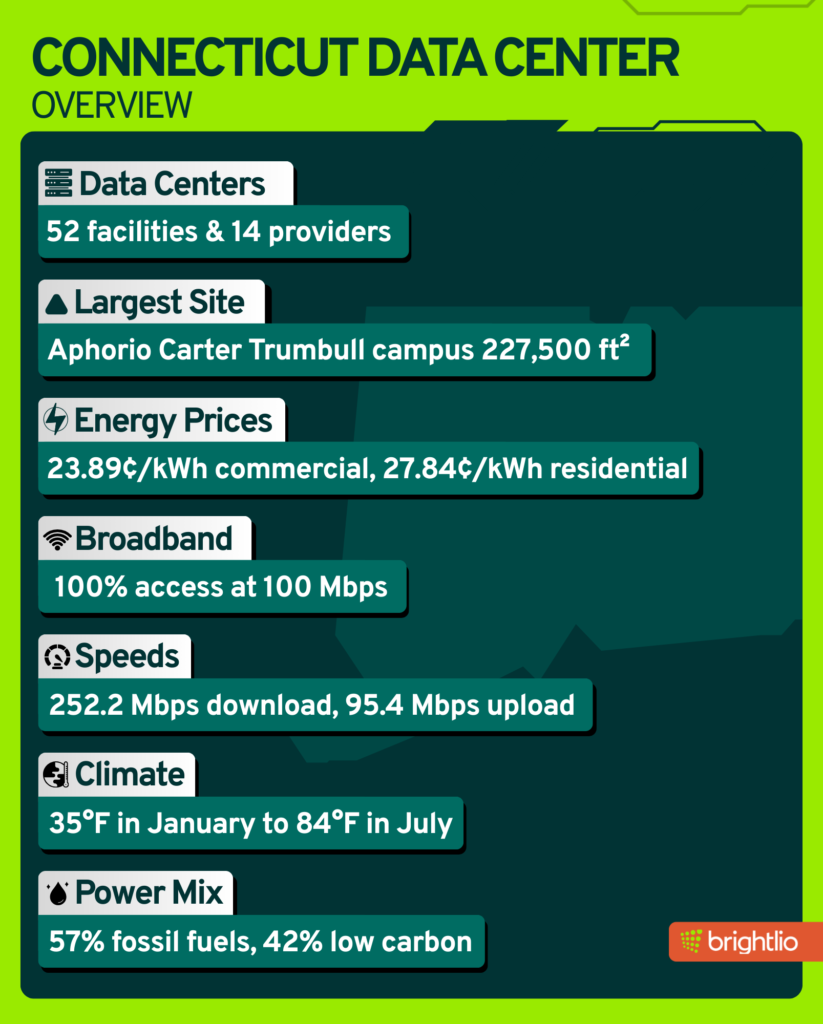
- Active Data Centers: Approximately 52 data centers facilities operated by 14 providers across Connecticut.
- Largest Operational Facility: Aphorio Carter Trumbull campus with 15 MW capacity across 227,500 ft², including two data center pods and one disaster recovery pod.
- Energy Prices (Feb 2026): Commercial electricity averages 23.89¢/kWh and residential electricity averages 27.84¢/kWh, which ranks among the highest rates in the United States.
- Broadband Availability: 100% of residents have access to internet service at 100 Mbps or faster, and fiber reaches 99.7% of households.
- Typical Broadband Speeds: Average download speed reaches 252.2 Mbps and upload speed reaches 95.4 Mbps, which ranks 4th and 8th nationally.
- Climate Conditions: Hartford temperatures range from 35°F in January to 84°F in July, with annual averages of 60°F for highs and 40°F for lows.
- Electric Generation Mix: About 57% of electricity comes from fossil fuels, mainly natural gas, while 42% comes from low carbon sources; nuclear supplies more than one-third of the total and solar contributes over 5%.
Connecticut Has a Thriving Data Center Industry
Connecticut’s colocation industry thrives due to a combination of strategic geographical location, robust infrastructure, cost efficiencies, and a favorable business climate. Seventeen colocation facilities serve local and international customers within and outside the state. Many of these facilities reside in major cities like Stamford, Hartford, and New Haven.
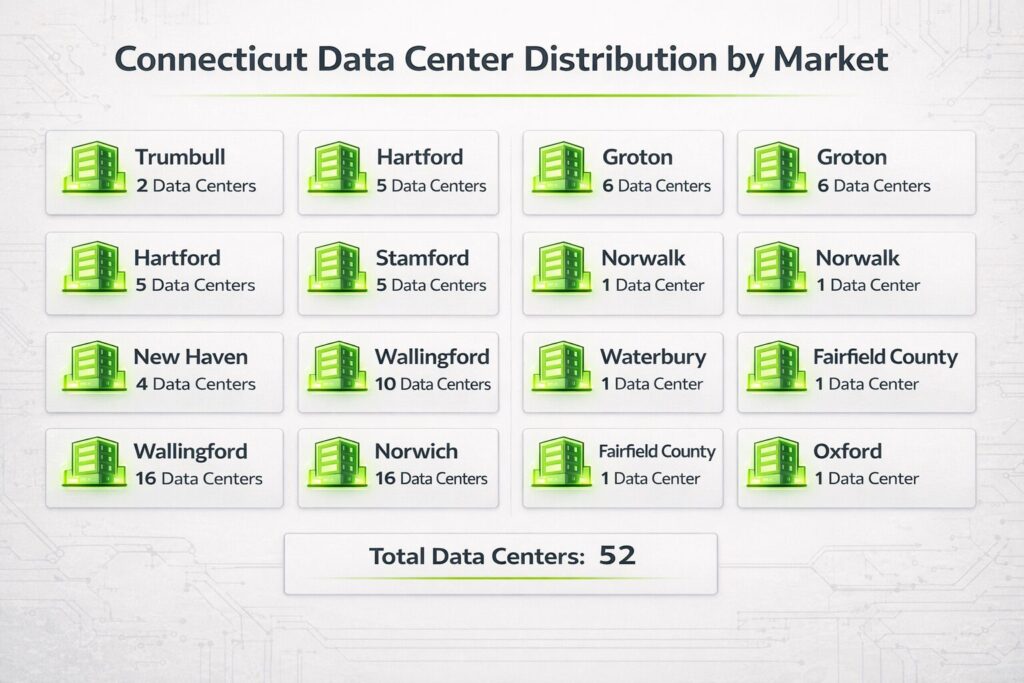
Some of the popular data center providers include:
- ChimeNet, Inc, Data Center (110 Barnes RD, 06492 Wallingford)
- Lumen New Heaven Data Center (54 Meadow Street, 06519 New Haven)
- CyrusOne Norwalk Data Center (Norwalk, 06854 Norwalk)
- SteelVault Data Center (66 Hawley Rd, 06478 Oxford)
- TierPoint Data Center (108 Bank Street, 5th Floor, 06702 Waterbury)
- Digital Realty Data Center (80 Merritt Boulevard, 06611 Trumbull)
The Constitution State is home to many wholesale and retail colocation facilities. These options allow businesses to find data centers that meet their needs and budget.
Connecticut is Centrally Located Near Major Markets
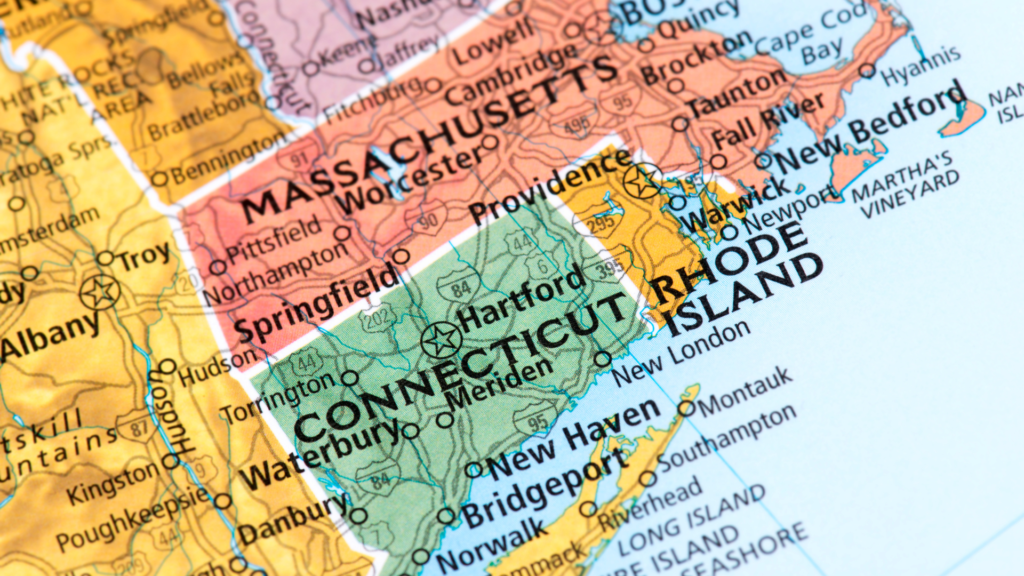
Connecticut is centrally located between the major markets of New York City and Boston. In addition, New Jersey, Pennsylvania, New Hampshire, and Rhode Island are within 100 miles of Connecticut. In fact, the combined GDP of the states within 100 miles of Connecticut totals over $3.4 trillion. This is greater than the GDP of the United Kingdom. By colocating in Connecticut, you can serve major markets with low latency.
Additionally, Connecticut’s distance from the New York City and Boston metropolitan areas can be advantageous for disaster recovery and business continuity. Having a colocation facility in Connecticut can help protect critical infrastructure from regional disasters that could affect nearby cities. Furthermore, Connecticut has many international airports and deepwater ports that connect it to thriving cities like Boston and Toronto. These attract multi-million dollar companies to the region, increasing the demand for data center services within the state.
Connecticut Offers Strong Network Connectivity
Connecticut boasts a robust and reliable telecommunications infrastructure ideally suited for businesses requiring colocation services. As a hub for several major telecommunications networks, the state offers access to high-capacity fiber-optic lines. This results in superior connectivity and low latency for data transmission.
The state has experienced a surge in fiber optic network investment. Frontier is building a fiber optic cable system at an expense of over $800 million. This will provide 90% of its customers in the state access to fiber internet by 2026.
GoNetspeed is also investing in the Connecticut market. They have now connected over 200,000 businesses and homes with fiber internet. They will expand this by another 100,000 through 2024, including investments in Clinton, Westbrook, and Seymour communities.
Other internet service providers expanding in Connecticut include Optimum, Charter, and Comcast. Consequently, data centers in Connecticut can partner with these network providers to access low-latency internet connections without network disruption.
Proximity to Major IXPs
While Connecticut has no major internet exchange points (IXPs), its proximity to other major metropolitan areas allows data centers in Connecticut low latency access to major exchanges.
Some of the notable IXPs in the neighboring states include:
- New York International Internet Exchange (NYIIX) - One of the largest IXPs on the East Coast, located in New York City. NYIIX offers its members a stable, neutral, and scalable peering infrastructure.
- Digital Realty Internet Exchange New York (formerly Telx) - Also located in New York City, this IXP provides peering services and interconnection options for various networks.
- Equinix New York (NY1, NY2, NY4, NY5, NY6, and NY9) - Equinix operates several New York metro area data centers, providing internet exchange and interconnection services to a variety of networks and businesses.
- Boston Internet Exchange (BOSIX) - Located in Boston, Massachusetts, BOSIX is a regional internet exchange offering peering and connectivity services to ISPs, content providers, and other networks.
- New England Internet Exchange (NEIX) - Also located in Boston, NEIX is a neutral, member-run exchange offering high-quality connectivity and peering services.
Data Centers Benefit From Favorable Economic Policies
Connecticut has a thriving economic environment that benefits from favorable economic policies. As of 2022, 15 Fortune 500 companies were headquartered in Connecticut. These include General Electric, Cigna, Stanley Black & Decker, and Frontier Communications.
Connecticut offers many tax breaks that data centers and their customers can use to maximize profit. Let's explore a few.
Enterprise Zone Tax Breaks
The State's Department of Economic and Community Development has marked designated zones across Connecticut that require economic growth. Data centers within these zones are entitled to numerous tax breaks.
For example, they can enjoy up to 10 years of corporate business tax credits, with the first three years at 100% credit and the last seven years at 70%. Data centers and their customers can access low-interest loans in these enterprise zones to help grow their businesses.
Sales and Property Tax Cuts
Colocation facilities in CT can receive many sales and property tax cuts when they match several economic criteria. Some of the requirements include the following:
- The data center provider must invest a minimum of $50 million if it is located in an enterprise or federal opportunity zone. If it is located anywhere else within the state, the center must provide at least $200 million in investments.
- The colocation facility must enter into a tax incentive agreement with the state's economic department for an average of 20 years.
- To extend the tax break agreements for up to 30 years, the data center provider must invest a minimum of $200 million in the enterprise/opportunity zone or $400 million in any other region within the state.
- Host Fee Tax Breaks: To access additional tax cuts and financial support, data centers can enter into legal agreements with the municipalities they reside in before any capital project begins. More often than not, they must provide a certain number of new jobs and salary quotas annually.
All these tax breaks make it easier and cheaper for colocation facilities to establish in the state. As data centers tap into these incentives, they can channel more resources into improving the colocation services and lowering customer costs.
Data Centers in the State Have Access to Skilled Labor
Connecticut's highly skilled and educated workforce is a significant advantage for customers of colocation services. The state is home to several reputable universities and colleges, including Yale University and the University of Connecticut. These institutions contribute to a steady stream of well-educated graduates, many specializing in computer science, information systems, electrical engineering, and other disciplines relevant to data center operation and management.
This pool of talent is a boon for colocation providers and their customers. With a skilled workforce, colocation facilities can ensure that they have competent personnel to manage and maintain their infrastructure. This leads to efficient operations, high uptime, and faster problem resolution.
Furthermore, for customers of colocation services, having access to a local talent pool can be advantageous if they require on-site technical support or have specialized IT needs. Rather than bringing in talent from other regions, they can tap into Connecticut's local workforce.
The State Has a Reliable Power Supply
One of the key advantages of using colocation services in Connecticut is the potential for cost savings. The cost of commercial real estate, power, and other utilities is generally lower in Connecticut than in nearby major metropolitan areas like New York City and Boston. Lower energy and real estate costs can reduce the overall cost of colocation services.
Connecticut has numerous electricity-related construction projects underway to help support businesses and their customers. One prominent example is the Killingly Energy Center which is currently under construction. Built by NTE, this power center is expected to generate 650 megawatts of multi-tenant commissioned power within a decade.
Renewable Energy Supply
Connecticut is increasingly interested in growing its capacity to generate renewable energy via solar and wind farms along the coastline. In addition to ongoing construction efforts, the state is collaborating with New York, New Jersey, and Massachusetts on a $70 billion offshore wind farm initiative. This wind farm is expected to add up to 25 megawatts of electricity to the region over 15 years.
Furthermore, the Connecticut Renewable Portfolio Standard policy requires that electric utility companies within the state offset a specific percentage of the energy they sell with renewable energy credits. Further investments in renewable energy should lower the price of colocation in years to come.
Biggest Data Centers in Connecticut
Here are some of the biggest and most popular data centers in the state of connecticut. We have ranked them based on size and energy requirements:
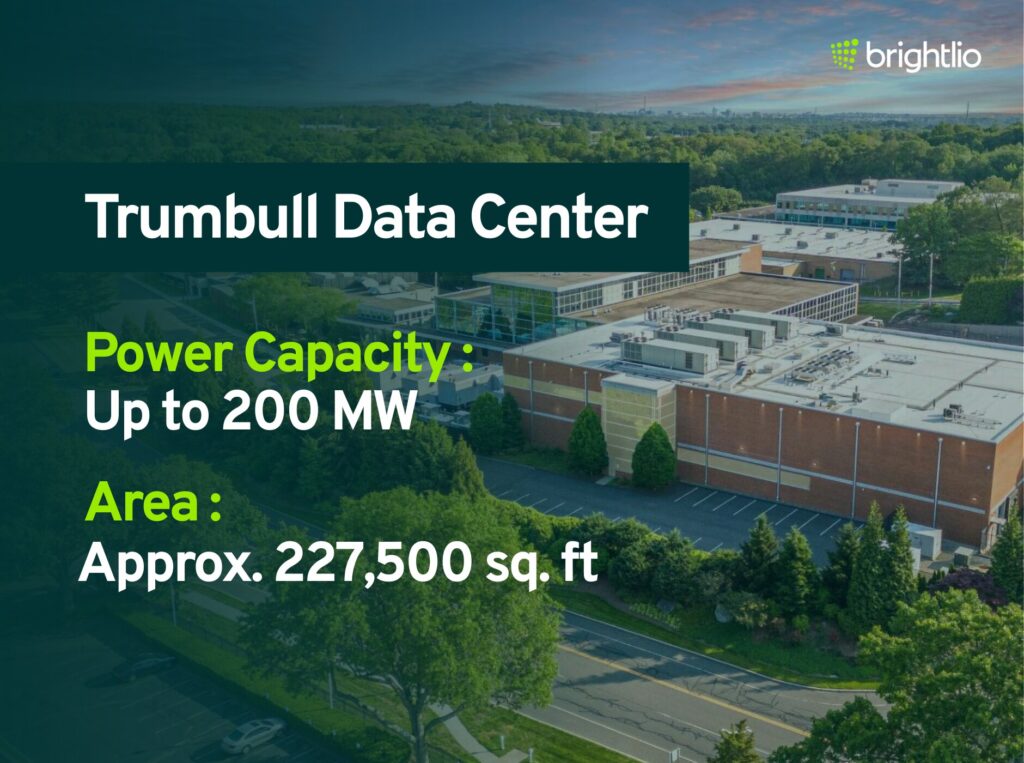
1. Trumbull Data Center (Trumbull, Connecticut)
- Company: Aphorio Carter (formerly Digital Realty)
- Location: Trumbull, Connecticut, USA
- Power Capacity: Approx. 15 MW
- Area: Approx. 227,500 sq. ft (21,135 sq. meters)
- Cost: Approx. $10 million acquisition (2024)
- CEO: Dallas Whitaker (CEO, Carter Funds)
Summary:
The Trumbull Data Center is one of Connecticut’s largest multi-tenant colocation facilities, located at 80 Merritt Boulevard in Fairfield County. Originally developed by Digital Realty and later acquired by Aphorio Carter, the campus spans more than 227,000 square feet and delivers roughly 15 MW of IT power across multiple data halls and disaster recovery pods.
Its proximity to New York City places the facility within one of the United States’ most important financial and connectivity corridors. This strategic location allows enterprises, trading platforms, and financial institutions to operate with low-latency access to major metropolitan networks.
With carrier-neutral connectivity, enterprise-grade security systems, and large-scale infrastructure capacity, the Trumbull site supports organizations across financial services, technology, and digital trading sectors throughout the Northeast.
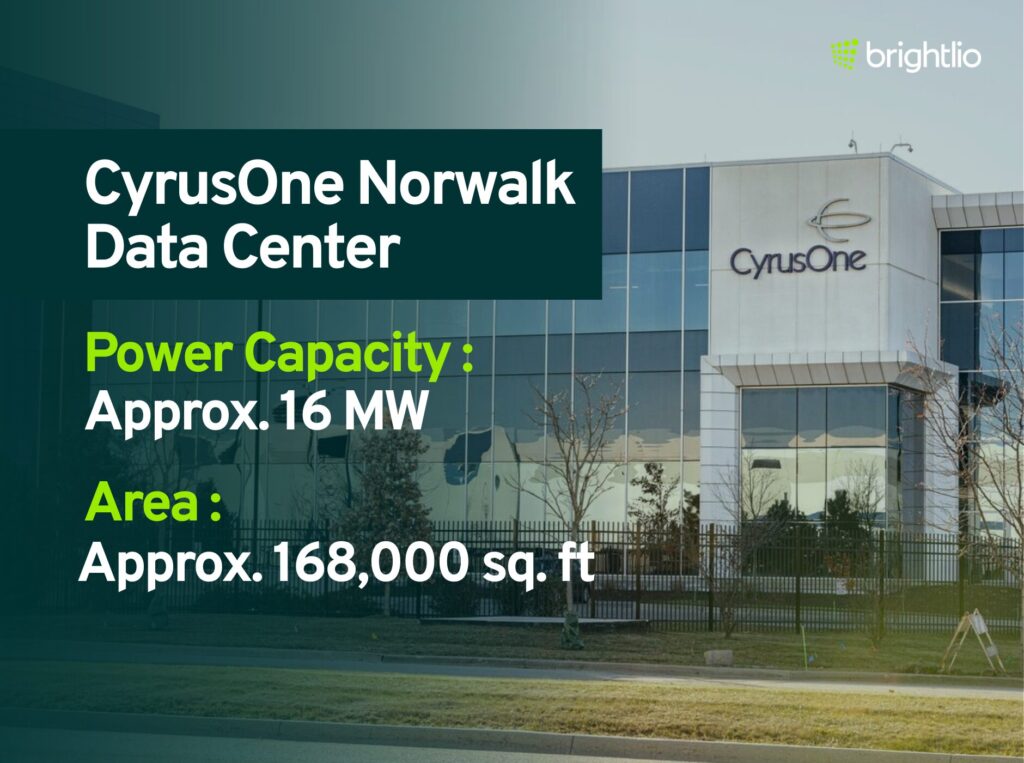
2. CyrusOne Norwalk Data Center (Norwalk, Connecticut)
- Company: CyrusOne
- Location: Norwalk, Connecticut, USA
- Power Capacity: Approx. 16 MW
- Area: Approx. 168,000 sq. ft (75,000 sq. ft raised floor)
- Cost: Approx. $59 million property value (2017 transaction)
- CEO: Eric Schwartz (CEO, CyrusOne)
Summary:
CyrusOne’s Norwalk facility is a major enterprise colocation hub serving organizations across the New York metropolitan region. The data center provides approximately 168,000 square feet of technical space and delivers up to 16 MW of redundant power across its resilient infrastructure.
Located within the greater New York–Boston connectivity corridor, the Norwalk campus offers direct access to major fiber routes and network carriers. This positioning allows businesses to deploy latency-sensitive workloads such as financial trading platforms, SaaS platforms, and large enterprise applications.
Designed with enterprise reliability in mind, the facility features redundant utility feeds, advanced physical security, and disaster recovery capabilities. CyrusOne continues to position the Norwalk site as a key regional hub for companies requiring high-availability digital infrastructure.
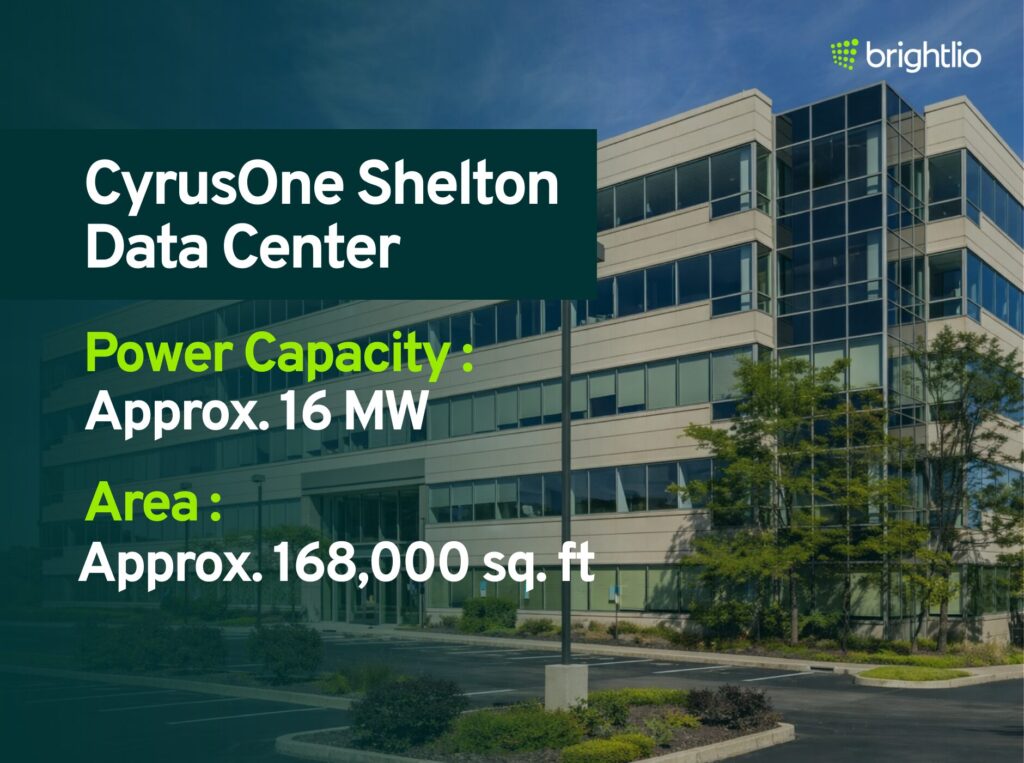
3. CyrusOne Shelton Data Center (Shelton, Connecticut)
- Company: CyrusOne
- Location: Shelton, Connecticut, USA
- Power Capacity: Approx. 16 MW
- Area: Approx. 168,000 sq. ft (75,000 sq. ft raised floor)
- Cost: Not publicly disclosed
- CEO: Eric Schwartz (CEO, CyrusOne)
Summary:
The CyrusOne Shelton Data Center is a large enterprise facility designed to support high-density computing workloads for businesses throughout the Northeast. Located at 4 Armstrong Road, the campus provides approximately 168,000 square feet of space and delivers up to 16 MW of IT capacity.
Shelton sits strategically between New York City and Boston, making the site ideal for enterprises seeking disaster recovery capabilities outside dense metropolitan areas. The facility includes redundant power systems, diverse network connectivity, and large work-area recovery suites for business continuity operations.
With enterprise-grade infrastructure and scalable colocation environments, the Shelton campus supports cloud platforms, financial institutions, and large corporations seeking reliable regional data center capacity.
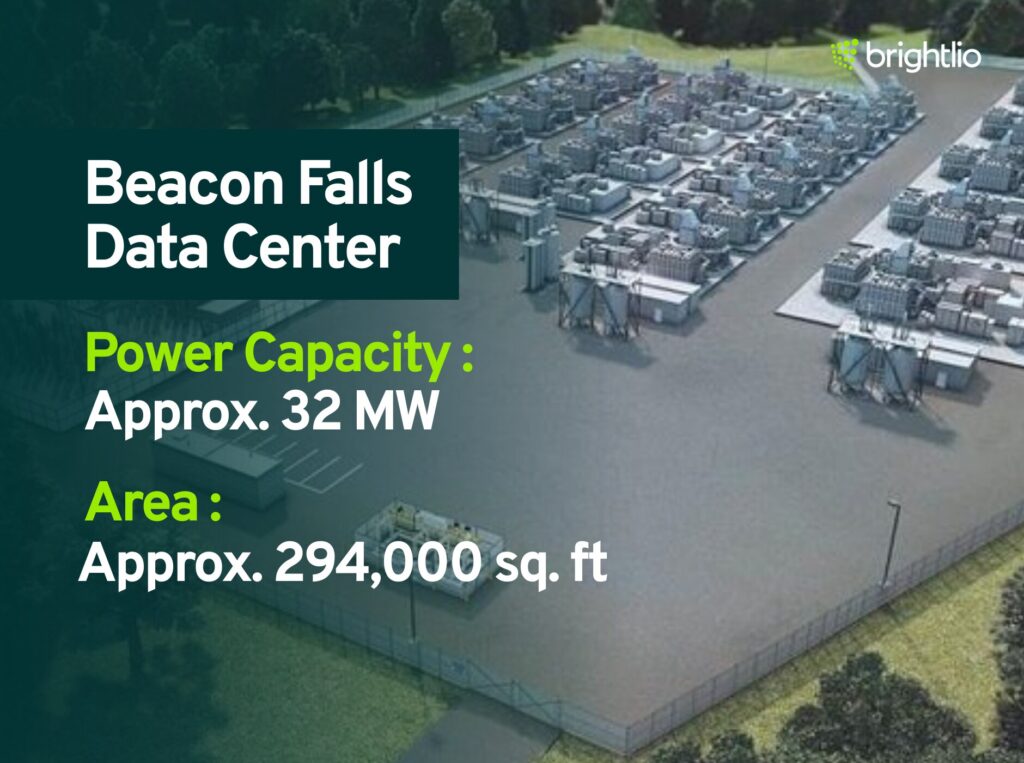
4. Beacon Falls Data Center (Beacon Falls, Connecticut)
- Company: CT Data Center LLC / O&G Industries
- Location: Beacon Falls, Connecticut, USA
- Power Capacity: Approx. 32 MW
- Area: Approx. 294,000 sq. ft
- Cost: Approx. $200 million development
- CEO: David Oneglia (President, O&G Industries)
Summary:
The Beacon Falls Data Center is one of the largest digital infrastructure projects planned in Connecticut. Developed by O&G Industries through its CT Data Center subsidiary, the facility will span nearly 300,000 square feet and deliver approximately 32 MW of IT capacity once completed.
The project sits on a 47-acre site near major fiber routes and transportation corridors, providing strong connectivity to the New York and Boston markets. Its infrastructure design incorporates on-site fuel cell energy generation alongside traditional grid connections to support reliable power delivery.
When fully operational, the Beacon Falls campus is expected to support hyperscale and enterprise workloads while contributing to the region’s growing digital infrastructure ecosystem.
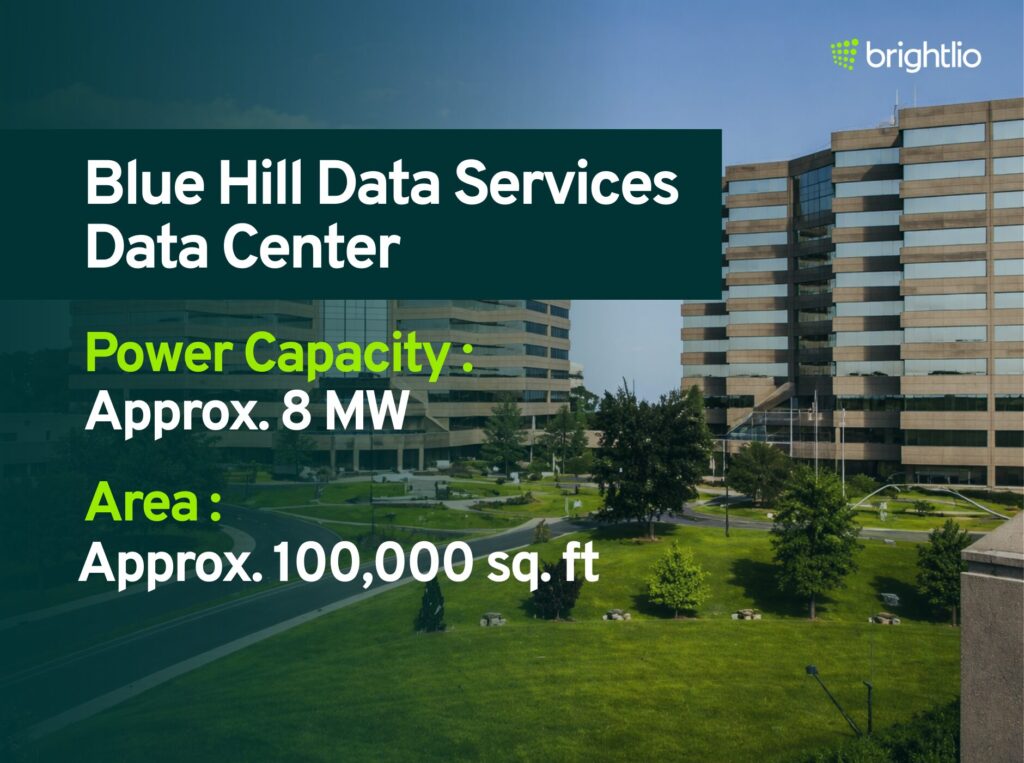
5. Blue Hill Data Services Data Center (Shelton, Connecticut)
- Company: Blue Hill Data Services
- Location: Shelton, Connecticut, USA
- Power Capacity: Approx. 8 MW (estimated capacity across site)
- Area: Approx. 100,000 sq. ft
- Cost: Not publicly disclosed
- CEO: John Kamen (CEO, Blue Hill Data Services)
Summary:
Blue Hill Data Services operates one of Connecticut’s largest privately managed enterprise data centers in Shelton. The facility spans more than 100,000 square feet and provides secure hosting environments for enterprise IT systems and legacy computing platforms.
The campus focuses heavily on managed services and mainframe hosting, supporting government agencies, financial institutions, and organizations with mission-critical workloads. Its infrastructure includes redundant power systems, environmental controls, and multi-layered physical security protections.
With a focus on managed hosting and enterprise infrastructure services, the Shelton facility remains a key regional provider for organizations requiring stable, secure computing environments.
How Brightlio Can Help With Colocation Pricing in Connecticut
Brightlio can help with competitive colocation pricing in Connecticut and other data center markets. We partner with a global network of data center providers, connecting your business with partners that match your requirements and budget.
As a telecommunication broker, our additional services include network connectivity, unified communications, public cloud solutions, and advisory services. We are committed to being your most trusted and responsive IT solutions provider.
Contact the team today to get started!
If you enjoyed this article, check out our colocation guides for other states:
- California Data Centers: Brightlio’s Ultimate Guide to Colocation in the Golden State
- Data Centers in Florida: Colocation in the Sunshine State
- The Iowa Data Center Market: Colocation In America’s Heartland
- Data Centers in Massachusetts: Six Reasons to Colocate in the Bay State
- Data Centers in Maryland: Innovation in The Old Line State
- New Jersey Data Centers: Powering the Digital Future of the Garden State
- Data Centers in New York: The Gateway to Colocation in the Empire State
- Data Centers in Oregon: 5 Reasons to Colocate in the Pacific Northwest
- Data Centers in Texas: Colocation in the Lone Star State
- The Ohio Data Center Advantage
FAQ
There are 52 data centers in Connecticut
Directory listings show facilities across multiple markets, including areas such as Norwalk and other Fairfield County locations plus Hartford area listings
Yes. Connecticut’s incentive program allows long term agreements and includes items such as sales and use tax exemptions and property tax exemptions for qualified projects
Yes. A Trumbull facility operator described a plan to invest $200 million over 5 years tied to the state’s tax incentive program
Yes. A Bloomfield proposal described a 1 million square foot data center concept with an estimated 40 jobs, with the project framed as early stage concept work
It depends. Noise can come from construction, rooftop cooling systems, and backup generators, and community impacts vary with site layout, equipment choices, and operating practices
It depends. Some sites use significant water for cooling, while other designs use different cooling approaches, so local impact depends on the cooling design and operating profile
Ask for the expected electric load and who funds grid upgrades, the generator testing schedule and noise controls, and the cooling approach with any estimated water use
Large Connecticut-headquartered companies include The Cigna Group (Bloomfield), Charter Communications (Stamford), Philip Morris International (Stamford), The Hartford (Hartford), Synchrony (Stamford), Booking Holdings (Norwalk), Stanley Black & Decker (New Britain), United Rentals (Stamford), Amphenol (Wallingford), and Otis Worldwide (Farmington).

Adetayo Sogbesan writes for Brightlio on data center, cloud, and network infrastructure topics, delivering insights that help businesses optimize technology strategies and understand industry trends.
Recent Posts

Data Centers in Kentucky and Colocation Opportunities

Data Centers In Alabama: Why You Must Colocate

10 Largest Underground Data Centers in the World

100+ VoIP Statistics from Credible Sources (Jan – 2026)
Let's start
a new project together